Why Precision Matters: A Closer Look at Cannabis Oil Syringes
The Shift Toward Controlled Dosing in Cannabis Concentrates
Over the past few years, the way people consume cannabis concentrates has changed dramatically. The old days of guessing how much you were dabbing or eyeballing a drop into a vape cartridge are fading. More users now seek consistency, especially when they are working with potent THC distillate or full-spectrum oil. That is where cannabis oil syringes come into the picture. They offer a level of control that a dropper bottle or a dab tool simply cannot match.
I have spent enough time around extraction labs and dispensary counters to see the difference firsthand. A friend of mine runs a small-batch cannabis extraction operation, and he switched entirely to using a glass syringe for filling his one-gram vape cartridges. He told me it cut his waste by nearly a third. That kind of precision matters when you are handling expensive cannabis concentrate or trying to replicate the same experience batch after batch.
What Makes a Cannabis Oil Syringe Different
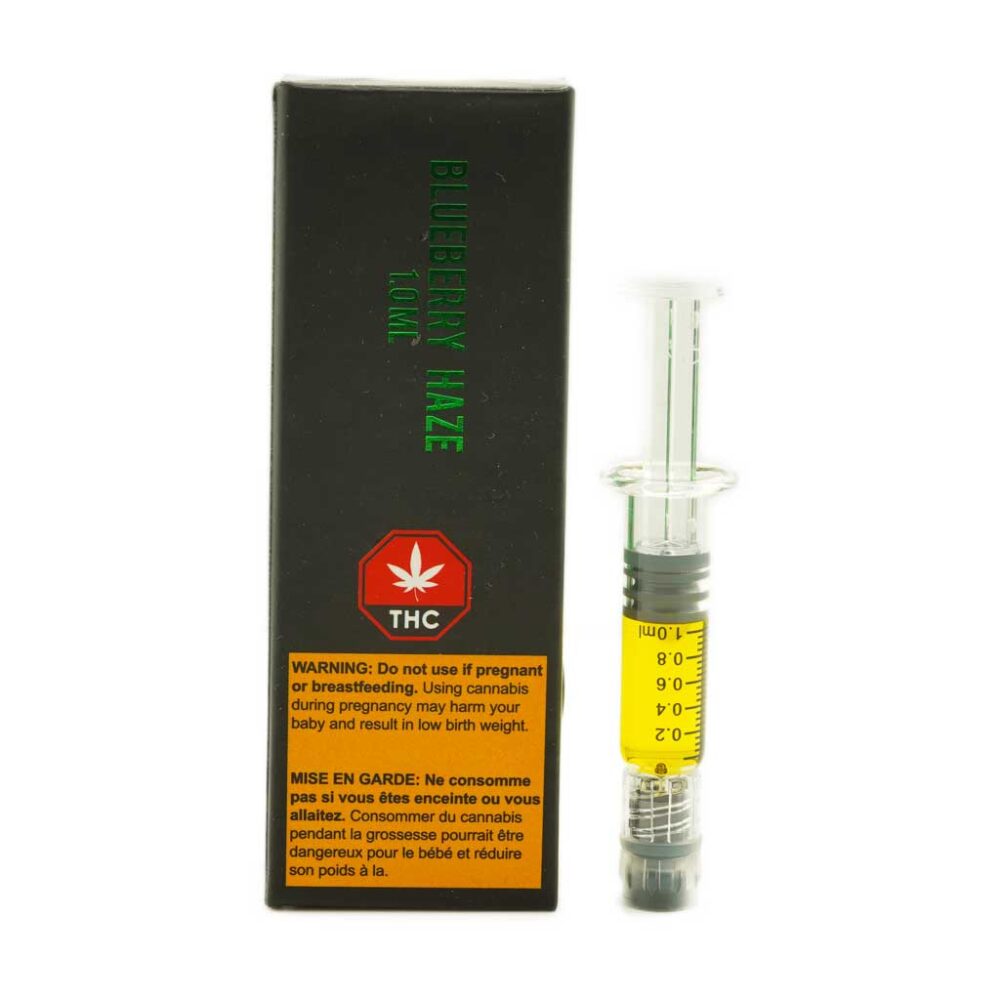
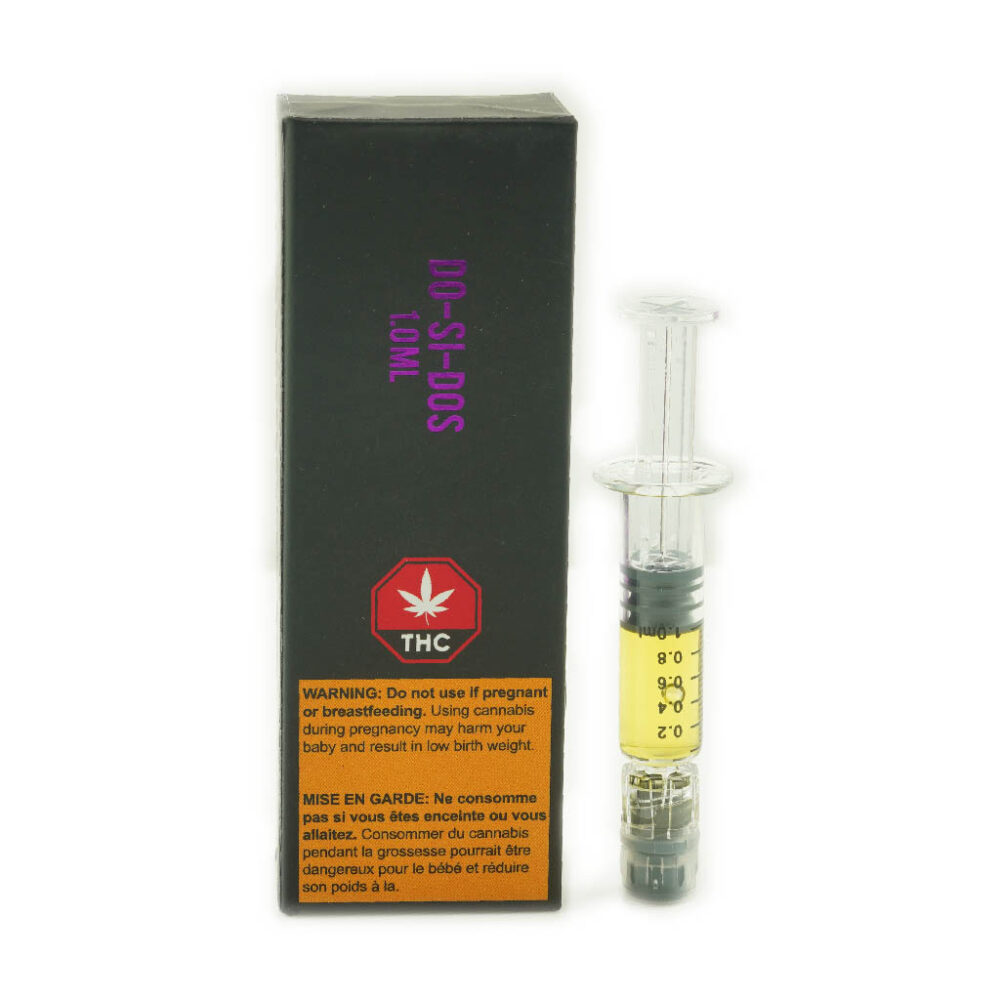
A cannabis oil syringe is not the same as the oral syringes you might find at a pharmacy. The design, materials, and intended use are all different. Most are built from borosilicate glass or medical-grade plastic, with a narrow tip that allows you to draw up thick oils or distillates without leaving a mess. Some are prefilled syringes sold directly from a brand, ready to attach to a dab rig or a compatible vape cartridge. Others are empty and meant to be filled by the user.
The narrow tip is a small detail that makes a big difference. When you are working with a sticky cannabis concentrate like a CO2 oil or a high-viscosity CBD oil, a wide opening can lead to drips and lost product. A narrow tip lets you place the oil exactly where you want it, whether that is into a vape cartridge, onto a dab nail, or into a mixing vessel for homemade cannabis tincture.
Delta 8, Delta 9, and the Role of Syringes
One reason syringes have become more common is the rise of distillates like Delta 8 and Delta 9. These are not your typical full-plant extracts. They are refined to isolate specific cannabinoids, which means the effects can be more predictable but also more concentrated. A single drop of Delta 9 THC distillate can contain a significant dose, and getting that dose wrong can turn a pleasant session into an uncomfortable one.
I have seen people treat a terpene syringe the same way they treat a dropper bottle, and it usually ends badly. A terpene syringe is designed for exact measurement, not for free-pouring. If you are using a prefilled syringe that came from a reputable source like Kush Station, the markings on the barrel are calibrated for that specific oil's viscosity. Trust those markings. Eyeballing it defeats the purpose of having a dosage syringe in the first place.
Practical Uses for Cannabis Oil Syringes
There are several common scenarios where a cannabis oil syringe makes the process easier and more repeatable. Here are a few that I have encountered regularly:
- Filling a vape cartridge with a thick cannabis concentrate or full-spectrum oil. A syringe with a narrow tip lets you reach the bottom of the cartridge without spilling.
- Measuring precise doses of Delta 8 or Delta 9 distillate for edibles or tinctures. A few tenths of a milliliter can be the difference between a mild effect and an overwhelming one.
- Transferring CO2 oil from a bulk jar into smaller daily-use containers. The sealed draw of a glass syringe keeps air out, which helps preserve terpenes.
- Applying cannabis oil directly onto a dab rig without needing a separate tool. Some users find it cleaner than a dabber.
- Mixing custom blends of CBD oil and THC distillate for a balanced ratio. A syringe gives you control over each component.
Branded Syringes vs. Generic Options
Not all syringes are made equal. A branded syringe from a company that specializes in cannabis accessories tends to have better fit and finish. The plunger moves smoothly, the markings are accurate, and the materials resist corrosion from acidic oils. Generic syringes from a hardware store might work in a pinch, but they can bind up or leak if the oil is too thin or too thick.
Kush Station carries a selection of branded syringes that are matched to the types of oils they sell. That matters more than most people realize. A cannabis oil syringe that was designed for a specific viscosity range will perform better than a one-size-fits-all option. If you are using a thick cannabis concentrate, a syringe with a wider bore and a stronger plunger seal will save you frustration. If you are working with a thin distillate, a syringe with finer gradations helps you measure accurately.
Cleaning and Maintenance
One question I get often is whether reusable glass syringes are worth the extra effort. They are, but only if you clean them properly. Residue from cannabis oil can harden inside the barrel and make the plunger stick. After each use, I recommend pulling warm water through the syringe a few times, then following up with a small amount of isopropyl alcohol. Shake it, let it sit for a minute, and rinse again. Let the parts dry separately so moisture does not get trapped under the plunger seal.
If you are using a prefilled syringe that is meant to be disposable, do not try to reuse it. The lubricant on the plunger degrades after one use, and the markings may rub off. A fresh syringe is cheap insurance against a dosing error.
The Difference Between Syringes and Droppers
A standard dropper bottle works fine for thin oils like simple CBD oil or a low-viscosity cannabis tincture. But as soon as you move into thicker concentrates or more potent distillates, the dropper becomes a liability. The bulb can pop off, the drop size varies with temperature, and you cannot reliably measure partial drops. A cannabis oil syringe eliminates those variables. You pull the plunger to the line, and you know exactly how much you have.
There is also a safety angle. A dropper bottle with a high-potency Delta 9 distillate is an accident waiting to happen if a child or a pet gets into it. A syringe with a locking mechanism or a child-resistant cap adds a layer of security. Not all syringes have those features, but it is worth looking for them if you have concerns.
How to Choose the Right Syringe for Your Oil
Choosing the right tool depends on what you are using it for. Here are a few guidelines I have picked up:
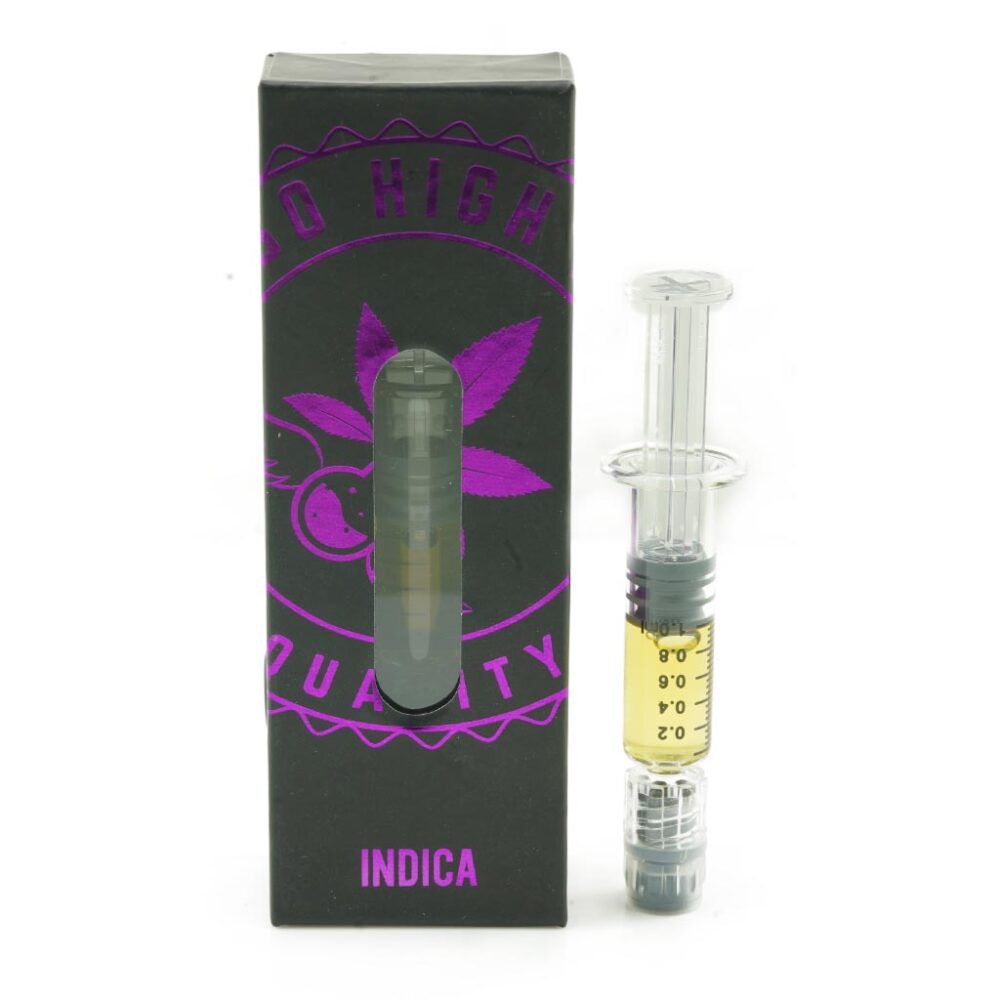
- For thin oils like CO2 oil or standard CBD oil, a 1 mL syringe with fine markings works well. The narrow tip helps control flow.
- For thicker cannabis concentrates or full-spectrum oil, a 3 mL or 5 mL syringe with a wider bore will draw the material without clogging.
- If you are using a terpene syringe that came with a specific product, stick with that brand. The viscosity of terpene isolates can vary, and the syringe is calibrated for that particular oil.
- For travel or on-the-go use, a prefilled syringe is convenient. Just check the packaging for signs of leakage before you leave the house.
Final Thoughts on Precision and Experience
The move toward cannabis oil syringes is not a fad. It reflects a broader trend in the cannabis space where users want repeatability and safety. Whether you are filling a vape cartridge, loading a dab rig, or crafting your own cannabis tincture, the ability to measure accurately changes how you interact with the product. You waste less, you enjoy more, and you can dial in your experience without guessing.
If you have not tried using a dedicated dosage syringe yet, start with a small volume and see how it changes your routine. The difference might seem minor at first, but after a few uses, you will wonder how you managed without it.